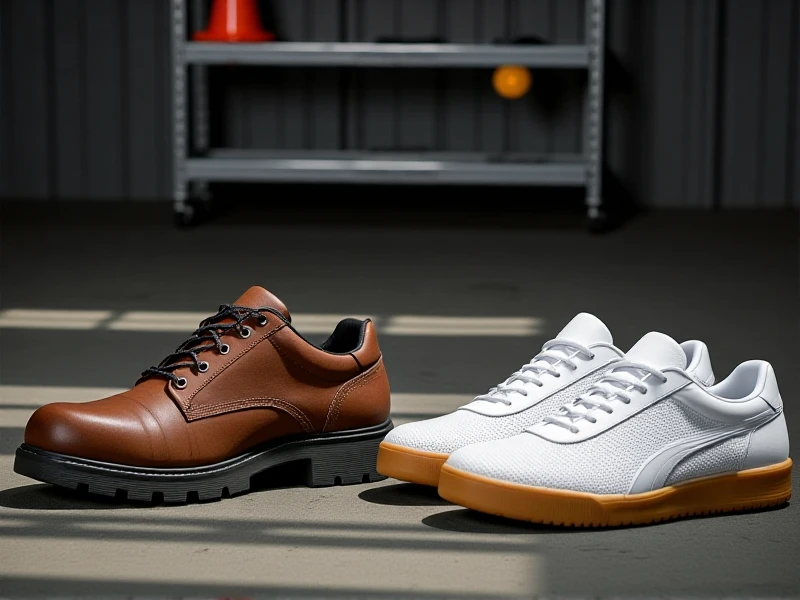
Your Ultimate Guide to Choosing the Best Work Boots for Tough Jobs
When it comes to on-the-job safety and comfort, work boots are a non-negotiable essential for anyone in construction, manufacturing, or outdoor trades. These sturdy footwear options aren't just about protection—they're designed to boost productivity and prevent injuries over long hours. But with so many types of work boots available, selecting the right pair can feel overwhelming. In this guide, we'll walk you through the key features to prioritize, ensuring you make an informed choice without compromising on durability or support.
First and foremost, safety is the cornerstone of quality work boots. Look for pairs certified by OSHA or ASTM standards, which often include steel toes to shield feet from heavy objects and electrical hazards. Slip-resistant outsoles are crucial for wet or uneven surfaces, reducing the risk of falls. Another vital element is water resistance; many boots incorporate waterproof membranes to keep feet dry in harsh conditions, while breathable linings prevent sweat build-up and blisters during extended shifts. For those in rough terrains, reinforced heels and shock-absorbing midsoles add stability and comfort.
Comfort extends beyond basic safety—modern work boots blend functionality with all-day wearability. Brands like Timberland Pro and Red Wing offer ergonomic designs with cushioned insoles and arch support, ideal for standing or walking for hours. When shopping, consider the fit: measure your feet professionally and opt for boots with ample toe room and adjustable laces. Materials matter, too; leather boots are long-lasting and mold to your feet over time, while composite options provide lightweight flexibility. Remember to check for insulation if you work in cold environments, or ventilated features for hotter climates.
Maintenance plays a big role in extending the life of your work boots. Clean them regularly with a soft brush and specialized cleaner, then condition the leather to keep it supple. Rotate between two pairs to avoid excess wear, and replace them every 6–12 months depending on usage. Investing in high-quality work boots upfront saves money in the long run and prevents foot-related injuries. For the latest innovations, visit our site to browse top-rated reviews—because reliable work boots empower you to tackle any challenge confidently. Stay safe and stride on!