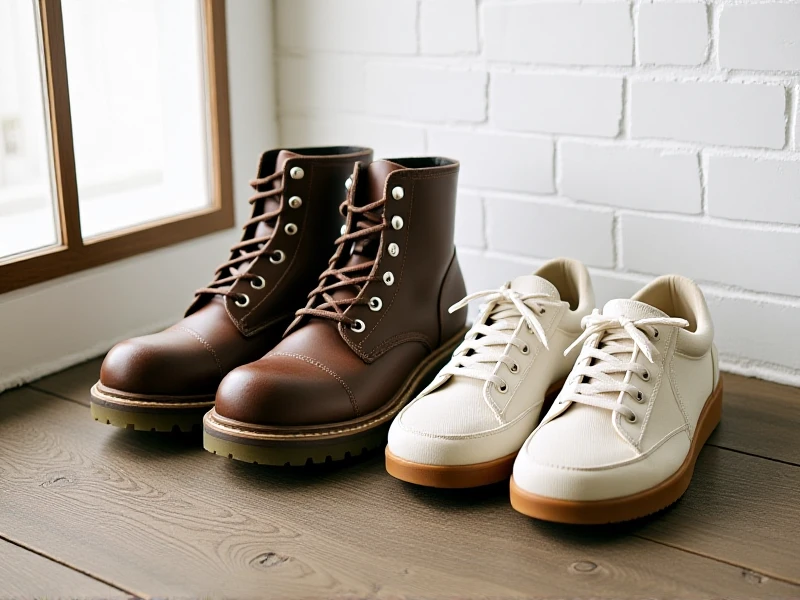
Find Your Perfect Pair: Why the Right Work Boots Boost Performance & Safety
Every day, millions rely on their work boots for protection and comfort on demanding jobsites. Whether you’re in construction, landscaping, utilities, or any trade, your feet are your foundation. Choosing the right pair isn't just about comfort; it's a critical safety decision impacting performance and long-term health.
Safety: The Non-Negotiable Element
- Toe Protection: The most recognized feature. Steel toe boots offer classic protection from heavy impacts and compression. Lighter alternatives like composite toe boots provide similar safety without the weight and metal detection hassles. Choose based on your specific workplace hazards (ASTM F2413 standard).
- Electrical Hazard (EH) Safety: Essential for anyone working near live wires. EH-rated work boots provide a secondary layer of protection against accidental contact with open circuits. Don't compromise here if your job demands it.
- Puncture Resistance: Walking over nails, sharp debris, or uneven terrain? Puncture-resistant (ASTM F2412/3) midsoles embedded within the boot sole prevent sharp objects from piercing through to your foot.
- Slip Resistance: Oiled floors, wet mud, or icy conditions require outsoles engineered (ASTM F2913 tested) for superior grip. Look for deep lugs and specialized rubber compounds designed for your primary work environment.
Comfort & Support: Conquering Long Hours
Safety means little if the boots are unwearable. Modern work boots integrate advanced comfort:
- Supportive Midsoles: Cushioning technologies absorb impact, reduce fatigue, and provide necessary arch support for standing or walking all day.
- Breathable Linings: Moisture-wicking linings keep feet drier, regulate temperature, and prevent odor buildup – crucial for comfort and preventing blisters or fungal issues.
- Ergonomic Design: Well-designed boots provide stability, flex naturally with your step, and reduce strain on ankles and knees. Proper fit is paramount – always try on boots with the socks you'll wear.
Durability Meets Function
Invest in boots built for the long haul. Key durability features include:
- Premium Leather: Full-grain leather offers superb abrasion resistance and weatherproofing (often enhanced with coatings). Split leather or synthetics may be lighter but often sacrifice longevity.
- Quality Stitching & Construction: Look for techniques like Goodyear Welt, Cement, or Direct Attachment – they significantly impact boot longevity and repairability.
- Weatherproof Options: For wet or cold conditions, waterproof membranes (Gore-Tex, Thinsulate™) are essential. Insulated work boots provide crucial warmth in harsh winter environments.
Finding Your Fit: Key Considerations
- Job Requirements: Match the boot's specific safety certifications (ASTM, ISO) to your job’s hazards.
- Environment: Consider terrain, weather (need waterproof work boots?), and typical contaminants.
- Fit & Testing: NEVER guess your size. Measure your feet later in the day (they swell), wear work socks, and test the boots diligently. Walk, go up/down stairs, ensure no slippage at the heel, and that toes aren't cramped. Break them in gradually.
- Renew Timely: Don't wear worn-out boots. Damaged soles, compressed cushioning, or compromised protective features make them unsafe. Replace them as needed.
The right work boots are more than footwear; they are essential safety gear and productivity tools. By prioritizing protection, selecting for comfort and durability, and ensuring a perfect fit, you invest in your safety, well-being, and ability to perform your best, day in and day out. Never underestimate the foundation you stand on.