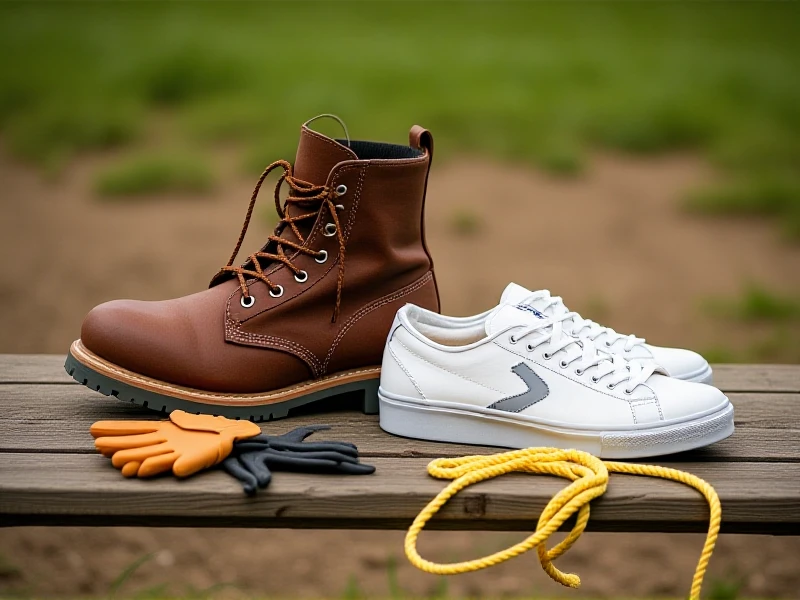
Why Every Worker Needs Trusty Work Boots for Safety and Comfort?
<Why Every Worker Needs Trusty Work Boots for Safety and Comfort?>
In high-risk sectors like construction, manufacturing, and agriculture, a sturdy pair of work boots isn't just gear—it's a lifeline. Across job sites, workers face dangers like heavy falling objects, slippery surfaces, or sharp debris. Wearing reliable work boots reduces injury risks and boosts daily productivity without unnecessary hassle. That's why choosing the right work boots should be a priority for every professional tackling demanding tasks.
Safety is the cornerstone of quality work boots. Key features include reinforced toes—typically steel or composite—that shield feet from crushing impact, meeting standards like OSHA's guidelines. Slip-resistant outsoles provide traction on wet or oily floors, cutting down fall accidents. For electricians or similar roles, electrical hazard protection insulates against shocks, while puncture-resistant midsoles prevent sharp objects from penetrating. Always look for certifications that ensure real-world applicability before buying. Ignoring these aspects can lead to severe workplace injuries, making compliant work boots an investment worth every penny.
Comfort ties directly to performance. Modern work boots offer ergonomic designs with cushioned insoles, supportive arches, and breathable materials that combat sweat and odor during long shifts. Options like waterproof membranes (e.g., Gore-Tex) adapt to weather changes, while thermal linings handle cold climates without weight. Material choices range from durable full-grain leather for longevity to lighter synthetic blends for flexibility. Testing boots on-site helps gauge this—aim for a snug fit without pinching to avoid blisters or fatigue. Many brands incorporate memory foam or gel insoles that mold to your foot shape for all-day ease. Pairing work boots with proper work socks enhances this comfort factor, keeping your focus on the job.
Selecting the ideal work boots involves tailored decisions. Start by evaluating your specific job hazards—steel toes for load-heavy zones, or waterproof options for wet environments. Size matters: try them on with your usual work socks and walk around to feel support, especially in the afternoon when feet swell naturally. Sizing charts from reputable brands minimize guesswork, and custom widths cater to diverse foot shapes. Maintenance extends lifespan—clean boots regularly to remove grime, apply leather conditioners monthly, and replace worn insoles every six months to sustain cushioning and protection. Though costs vary, opting for quality might mean higher upfront spending, but it prevents frequent replacements and improves safety over time.
Ultimately, dependable work boots are a cornerstone of workplace wellbeing. By prioritizing safety certifications, comfort innovations, and proper care, you equip yourself for success on any site. Don’t delay—invest in the best work boots today and stride toward a safer, more efficient workday. Your feet will thank you, and so will your productivity.